Buy metallmanufaktur.eu ?
We are moving the project
metallmanufaktur.eu .
Are you interested in purchasing the domain
metallmanufaktur.eu ?
domain@kv-gmbh.de · 0541-91531010
Buy metallmanufaktur.eu ?
What are sensory cells, sensory organs, and senses?
Sensory cells are specialized cells that detect and respond to specific stimuli, such as light, sound, touch, taste, and smell. These cells are found in sensory organs, which are structures in the body that contain sensory cells and are responsible for detecting and transmitting sensory information to the brain. The senses, on the other hand, are the physiological capacities of organisms that provide data for perception. They include sight, hearing, touch, taste, and smell, and are essential for experiencing and interacting with the environment. **
What is the difference between a primary sensory cell, a secondary sensory cell, and a sensory nerve cell?
Primary sensory cells are specialized cells that directly detect stimuli from the environment, such as light, sound, or touch. Secondary sensory cells receive signals from primary sensory cells and transmit them to the central nervous system. Sensory nerve cells, also known as sensory neurons, are responsible for transmitting the signals from secondary sensory cells to the brain, where they are processed and interpreted. In summary, primary sensory cells detect stimuli, secondary sensory cells relay the signals, and sensory nerve cells transmit the signals to the brain for processing. **


Similar search terms for Sensory
Top-Angebote
Products related to Sensory:
-
Multicon Wholesale Hub Style Welding Clamps Set Heavy Duty Forged Steel F Clamps For Welding & Metalwork Style Welding Clamps Set Heavy Duty Forged Steel F Clamps For Welding & MetalworkStrong, reliable clamping is the backbone of precision work, and this 5piece set delivers exactly that. Designed as F style welding clamps, these tools provide powerful grip and stability for welding, woodworking, and metal fabrication tasks. Built...164,97 $*Shipping: 0,00 $Secure redirect to the provider
-
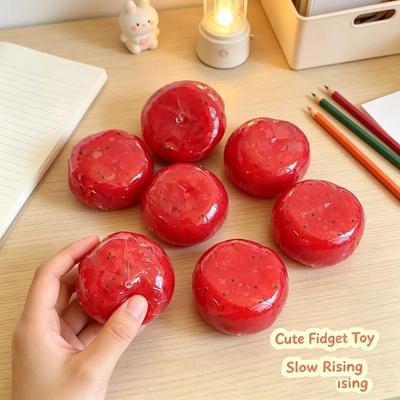
Uplifted Finds Creative Handcrafted Watermelon Slushie Squishy Toy Cute Aesthetic Cup Squeeze Sensory Fidget & Room Decor Creative Handcrafted Watermelon Slushie Squishy Toy Cute Aesthetic Cup Squeeze Sensory Fidget & Room DecorRefresh your space and squeeze away workday stress with this Creative Handcrafted Watermelon Slushie Squishy Toy! Designed to look like a delicious, icecold watermelon slushie cup complete with realistic ice, seed details, and a straw accent, this...123,97 $*Shipping: 0,00 $Secure redirect to the provider
-
Multicon Wholesale Hub Cast Iron Welding Corner Clamp Set Bench Vises For Precision Metalwork Cast Iron Welding Corner Clamp Set Bench Vises For Precision Metalwork"Transform frustrating setups into perfect, square joints with this heavyduty clamping solution built for pros and DIYers alike. The 4"" approx welding corner clamp design keeps metal, wood, or tubing locked at a true 90 angle, so every weld, frame,..."149,97 $*Shipping: 0,00 $Secure redirect to the provider
-
Tools, Home & Hobby Heavy Duty V Head Pipe Stand Adjustable Folding Pipe Jack For Welding And Fabrication Heavy Duty V Head Pipe Stand Adjustable Folding Pipe Jack For Welding And FabricationKeep heavy pipes steady, secure, and easier to handle with a reliable support solution built for demanding jobs. The Heavy Duty V Head Pipe Stand is designed for welders, fabricators, plumbers, and workshop professionals who need dependable pipe...127,97 $*Shipping: 0,00 $Secure redirect to the provider



-
Are receptors sensory cells?
Receptors are not sensory cells themselves, but they are specialized proteins located on the surface of sensory cells. These receptors are responsible for detecting and responding to specific stimuli, such as light, sound, taste, or smell. When a receptor is activated by a stimulus, it triggers a series of biochemical reactions within the sensory cell, ultimately leading to the generation of a sensory signal that can be transmitted to the brain for processing. Therefore, while receptors are not sensory cells, they play a crucial role in the sensory process by detecting and transducing stimuli into neural signals. **
-
What is sensory perception?
Sensory perception refers to the process of receiving and interpreting information from the environment through the senses. This includes the five main senses of sight, hearing, touch, taste, and smell, as well as other sensory experiences such as balance, proprioception, and temperature. The brain then processes this sensory information to create a perception of the world around us, allowing us to interact with and understand our surroundings. Sensory perception is essential for everyday functioning and plays a crucial role in how we experience and navigate the world. **
-
How does sensory development progress?
Sensory development progresses through a series of stages, beginning with basic sensory experiences such as touch, taste, and smell in infancy. As children grow, they develop more refined sensory abilities, such as improved vision and hearing, and begin to integrate sensory information to make sense of their environment. This process continues into adolescence and adulthood, with individuals becoming more adept at interpreting and responding to sensory stimuli. Overall, sensory development progresses from basic sensory experiences to more complex and integrated sensory abilities as individuals mature. **
-
What are artificial sensory organs?
Artificial sensory organs are devices designed to mimic the functions of natural sensory organs, such as the eyes, ears, and skin. These devices use advanced technology to detect and process sensory information, allowing individuals to perceive and interact with their environment in a way that is similar to natural sensory organs. Artificial sensory organs have the potential to enhance or restore sensory capabilities for individuals with disabilities, as well as to provide new sensory experiences for people without impairments. These technologies have the potential to revolutionize healthcare and human-computer interaction. **


What are sensory nerve cells?
Sensory nerve cells, also known as sensory neurons, are specialized cells that transmit information from the body's sensory organs (such as the skin, eyes, ears, nose, and tongue) to the central nervous system. These cells are responsible for detecting various stimuli, such as touch, temperature, pain, and pressure, and converting these stimuli into electrical signals that can be interpreted by the brain. Sensory nerve cells play a crucial role in allowing us to perceive and respond to our environment. **
Why is sensory transduction necessary?
Sensory transduction is necessary because it allows the body to convert various forms of environmental stimuli, such as light, sound, touch, and chemical signals, into electrical signals that can be interpreted by the nervous system. This process is essential for the body to perceive and respond to its surroundings, allowing for the detection of potential dangers, the regulation of bodily functions, and the experience of sensations such as taste, smell, and touch. Without sensory transduction, the body would not be able to effectively interact with its environment and respond to changes in its surroundings. **
Top-Angebote
Products related to Sensory:
-
Tools, Home & Hobby Cast Iron Blacksmith Anvil With Round Horn And Hardy Hole For Forging Jewelry And Metalwork Cast Iron Blacksmith Anvil With Round Horn And Hardy Hole For Forging Jewelry And MetalworkTurn every strike into precision craftsmanship with this durable blacksmith anvil designed for metalworkers, hobby smiths, and jewelry makers who demand reliable performance. Built from highstrength cast iron anvil construction, it easily absorbs...177,97 $*Shipping: 0,00 $Secure redirect to the provider
-
The Handy Homestead Locking Pliers Welding Clamp For Woodworking And Metalwork Locking Pliers Welding Clamp For Woodworking And MetalworkGet a steadier grip on every project with a tool that helps you clamp, hold, bend, and align with confidence. These locking pliers are built for DIYers, welders, woodworkers, and repair pros who need reliable control without extra strain. The...47,97 $*Shipping: 0,00 $Secure redirect to the provider
-
Multicon Wholesale Hub Style Welding Clamps Set Heavy Duty Forged Steel F Clamps For Welding & Metalwork Style Welding Clamps Set Heavy Duty Forged Steel F Clamps For Welding & MetalworkStrong, reliable clamping is the backbone of precision work, and this 5piece set delivers exactly that. Designed as F style welding clamps, these tools provide powerful grip and stability for welding, woodworking, and metal fabrication tasks. Built...164,97 $*Shipping: 0,00 $Secure redirect to the provider
-
Uplifted Finds Creative Handcrafted Watermelon Slushie Squishy Toy Cute Aesthetic Cup Squeeze Sensory Fidget & Room Decor Creative Handcrafted Watermelon Slushie Squishy Toy Cute Aesthetic Cup Squeeze Sensory Fidget & Room DecorRefresh your space and squeeze away workday stress with this Creative Handcrafted Watermelon Slushie Squishy Toy! Designed to look like a delicious, icecold watermelon slushie cup complete with realistic ice, seed details, and a straw accent, this...123,97 $*Shipping: 0,00 $Secure redirect to the provider
-
What are sensory cells, sensory organs, and senses?
Sensory cells are specialized cells that detect and respond to specific stimuli, such as light, sound, touch, taste, and smell. These cells are found in sensory organs, which are structures in the body that contain sensory cells and are responsible for detecting and transmitting sensory information to the brain. The senses, on the other hand, are the physiological capacities of organisms that provide data for perception. They include sight, hearing, touch, taste, and smell, and are essential for experiencing and interacting with the environment. **
-
What is the difference between a primary sensory cell, a secondary sensory cell, and a sensory nerve cell?
Primary sensory cells are specialized cells that directly detect stimuli from the environment, such as light, sound, or touch. Secondary sensory cells receive signals from primary sensory cells and transmit them to the central nervous system. Sensory nerve cells, also known as sensory neurons, are responsible for transmitting the signals from secondary sensory cells to the brain, where they are processed and interpreted. In summary, primary sensory cells detect stimuli, secondary sensory cells relay the signals, and sensory nerve cells transmit the signals to the brain for processing. **
-
Are receptors sensory cells?
Receptors are not sensory cells themselves, but they are specialized proteins located on the surface of sensory cells. These receptors are responsible for detecting and responding to specific stimuli, such as light, sound, taste, or smell. When a receptor is activated by a stimulus, it triggers a series of biochemical reactions within the sensory cell, ultimately leading to the generation of a sensory signal that can be transmitted to the brain for processing. Therefore, while receptors are not sensory cells, they play a crucial role in the sensory process by detecting and transducing stimuli into neural signals. **
-
What is sensory perception?
Sensory perception refers to the process of receiving and interpreting information from the environment through the senses. This includes the five main senses of sight, hearing, touch, taste, and smell, as well as other sensory experiences such as balance, proprioception, and temperature. The brain then processes this sensory information to create a perception of the world around us, allowing us to interact with and understand our surroundings. Sensory perception is essential for everyday functioning and plays a crucial role in how we experience and navigate the world. **
Similar search terms for Sensory
-
Multicon Wholesale Hub Cast Iron Welding Corner Clamp Set Bench Vises For Precision Metalwork Cast Iron Welding Corner Clamp Set Bench Vises For Precision Metalwork"Transform frustrating setups into perfect, square joints with this heavyduty clamping solution built for pros and DIYers alike. The 4"" approx welding corner clamp design keeps metal, wood, or tubing locked at a true 90 angle, so every weld, frame,..."149,97 $*Shipping: 0,00 $Secure redirect to the provider
-
Tools, Home & Hobby Heavy Duty V Head Pipe Stand Adjustable Folding Pipe Jack For Welding And Fabrication Heavy Duty V Head Pipe Stand Adjustable Folding Pipe Jack For Welding And FabricationKeep heavy pipes steady, secure, and easier to handle with a reliable support solution built for demanding jobs. The Heavy Duty V Head Pipe Stand is designed for welders, fabricators, plumbers, and workshop professionals who need dependable pipe...127,97 $*Shipping: 0,00 $Secure redirect to the provider
-
Uplift Essentials Magnetic Welding Ground Clamp For Metalwork And Repair single HeadMake welding setups faster and more reliable with this strong magnetic ground clamp. Designed to hold securely to metal surfaces, it provides a stable and consistent ground connection while freeing your hands to work more safely and efficiently....56,97 $*Shipping: 0,00 $Secure redirect to the provider
-
Inspired Living Heavy Duty U Shape Welding Locking Pliers Adjustable Metal Fabrication Clamp 2pcsImagine effortlessly securing two metal plates or pipes in perfect alignment without struggling with bulky clamps or slipping jaws. The HeavyDuty UShape Welding Locking Pliers is designed for welders, metal fabricators and DIY enthusiasts who demand...98,97 $*Shipping: 0,00 $Secure redirect to the provider
-
How does sensory development progress?
Sensory development progresses through a series of stages, beginning with basic sensory experiences such as touch, taste, and smell in infancy. As children grow, they develop more refined sensory abilities, such as improved vision and hearing, and begin to integrate sensory information to make sense of their environment. This process continues into adolescence and adulthood, with individuals becoming more adept at interpreting and responding to sensory stimuli. Overall, sensory development progresses from basic sensory experiences to more complex and integrated sensory abilities as individuals mature. **
-
What are artificial sensory organs?
Artificial sensory organs are devices designed to mimic the functions of natural sensory organs, such as the eyes, ears, and skin. These devices use advanced technology to detect and process sensory information, allowing individuals to perceive and interact with their environment in a way that is similar to natural sensory organs. Artificial sensory organs have the potential to enhance or restore sensory capabilities for individuals with disabilities, as well as to provide new sensory experiences for people without impairments. These technologies have the potential to revolutionize healthcare and human-computer interaction. **
-
What are sensory nerve cells?
Sensory nerve cells, also known as sensory neurons, are specialized cells that transmit information from the body's sensory organs (such as the skin, eyes, ears, nose, and tongue) to the central nervous system. These cells are responsible for detecting various stimuli, such as touch, temperature, pain, and pressure, and converting these stimuli into electrical signals that can be interpreted by the brain. Sensory nerve cells play a crucial role in allowing us to perceive and respond to our environment. **
-
Why is sensory transduction necessary?
Sensory transduction is necessary because it allows the body to convert various forms of environmental stimuli, such as light, sound, touch, and chemical signals, into electrical signals that can be interpreted by the nervous system. This process is essential for the body to perceive and respond to its surroundings, allowing for the detection of potential dangers, the regulation of bodily functions, and the experience of sensations such as taste, smell, and touch. Without sensory transduction, the body would not be able to effectively interact with its environment and respond to changes in its surroundings. **
* All prices are inclusive of VAT and, if applicable, plus shipping costs. The offer information is based on the details provided by the respective shop and is updated through automated processes. Real-time updates do not occur, so deviations can occur in individual cases. ** Note: Parts of this content were created by AI.